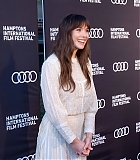
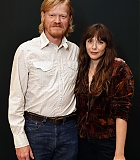
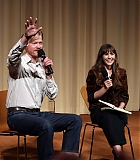
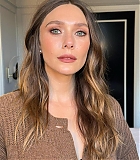
She thought acting was ‘silly’, despite having A-list sisters. Her interests lay in dance, accountancy, agriculture, construction. Here she explains how she conquered her anxiety and embraced being a Hollywood star





THE OBSERVER – The actor Elizabeth Olsen and I are in a London hotel, staring down at her dinner. She lifts the lid from one plate: a bowl of plain black beans. She lifts another: a bowl of similarly spare couscous. You wouldn’t know it, but Olsen is something of a foodie. She takes a set of knives around the world when filming, makes her own ricotta, knows what brand of caviar is best, and records the name of every restaurant she visits. She’s been engaged for years in an LA “croissant crawl” to find the best French pastry in the city, though she takes the hunt international every chance she gets. This past week she’s eaten a huge amount of red meat, she tells me, and developed high cholesterol as a result. Hence the simple grain and pulse dishes before her. Carefully she returns the lids. Then she says, “I am probably not going to eat while we talk.”
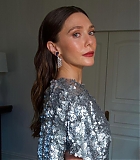
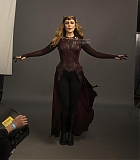
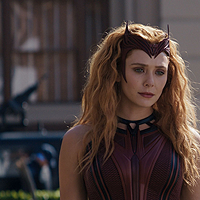
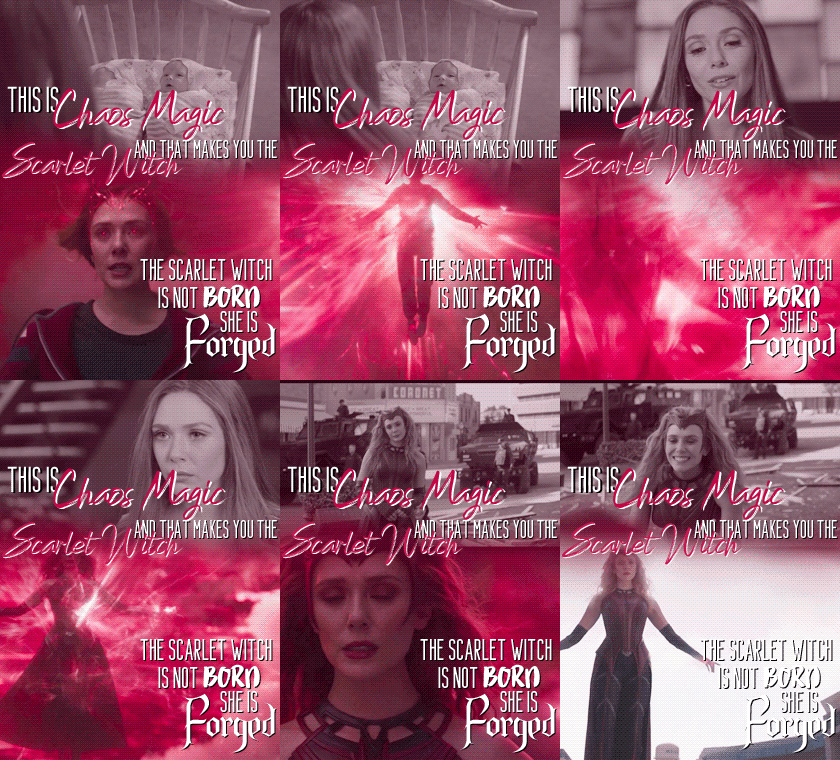
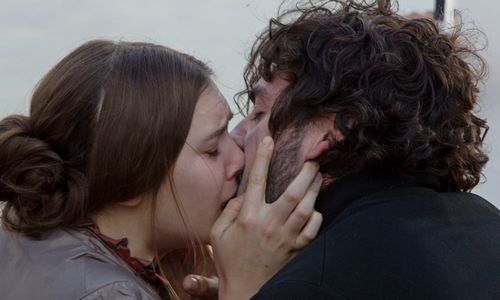
In person, Olsen, who is 35, manages the curious combination of being at once unnerving and disarming. Those wide eyes – so expressive and searching on screen – would be unsettling if it weren’t for her easy wit. It’s the eyes that Hollywood has latched on to: they have been deployed to reveal the trauma of an ex-cult member (her indie breakout Martha Marcy May Marlene), a wife in a loveless marriage driven to murder (Love & Death), a grieving widow (Sorry For Your Loss). As Wanda Maximoff, appearing in the Marvel films that have dominated her last decade, her eyes have been used to portray a virtual assault course of loss.
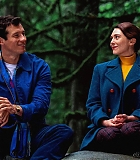
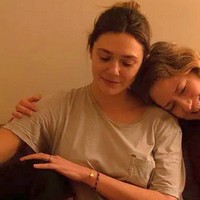
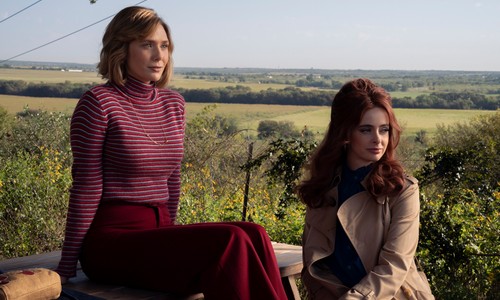
Olsen’s latest film is a Netflix indie, His Three Daughters, which sees her back in grief mode as Christina, one of three estranged sisters (the others are played by Natasha Lyonne and Carrie Coon) who reunite at their ailing father’s apartment to await his death. “I mean, I feel like these are the characters I’m drawn to,” Olsen says, of portraying grief-stricken women. “But this is different, right? I felt like Christina was someone soft, someone I haven’t really explored before. I usually try – especially recently – to find characters that seem adjacent but different to me.”
His Three Daughters can be painful to watch, particularly if you have lost someone recently. It explores how siblings often revert to childhood roles when they are together as adults. But it also makes known the terrible admin of death: the banality of being put on hold on different phones, of concluding someone’s life via paperwork, the Do Not Resuscitate form reduced to the world of the tax return.
Olsen’s Christina is the most balanced of the sisters and we see her using breathing exercises and meditation to find calm. It’s something Olsen can relate to. She suffered extreme bouts of anxiety and panic attacks in her 20s. “I’ve gone through phases of it,” she says, of using meditation. “Figuring out what works for me, or what works enough. No one talked about panic attacks in the mid-2000s. I thought it meant you just write a list and check things off and get over it. I didn’t realise it was something you had no control over, but I had to figure out how to have some control.”
Read the rest of this entry